Cleaning and its importance
Cleaning
Cleaning can be defined as physical removal of dirt, grease, debris, scraps etc.
Keeping food handling premises clean and free from bacteria is the first step in preparing and cooking a meal.
Why cleaning
- To remove harmful micro-organisms
- To reduce the risk of a pest infestation
- To prevent food poisoning and spoilage.
- To prevent contamination of food
- To help preserve the freshness and quality of food
- To provide a favourable image
- To provide a safe and pleasant working environment for staff
- To comply with the law
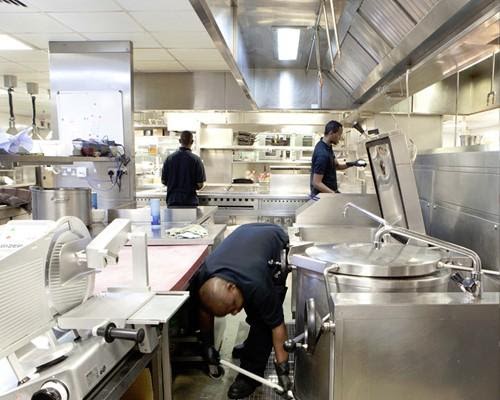
Dirt has many components, such as dead skin from our bodies, food waste and debris, moisture and germs which may be harmful when contaminated with food.
Dirt in a food establishment is particularly undesirable because it presents an ideal medium for bacteria to grow. As stated previously in the course, bacteria need warmth (always available in food premises), food (due to dirt in food premises), moisture (normally present in dirt) and time to grow and hence, it is essential that dirt is quickly and regularly removed from any food premises. Any spillages or food smears are best removed and easily as they occur.
It is essential to adhere to 'clean as you go' approach to prevent the build-up of dirt or waste not allowing bacteria to multiply. All surfaces need to be sanitised before commencing work and immediate cleaning and disinfection of equipment is essential immediately after each use.
Food business must establish, based on risk the identified how often cleaning needs to done. Some areas may need cleaning less often. Floors, bins etc. can be cleaned at the end of a service period or shift unless spills make it necessary to do it more often. Cleaning in and under refrigerators and areas not easily accessible can be done weekly, unless circumstances indicate the need to clean more often. Specialised cleaning can be done monthly or even quarterly depending on the risk assessment. Areas that have potential to be contaminated often needs more cleaning such as door handles, taps etc. It should always be ensured that surfaces are left to dry naturally after cleaning.