Food Service
Preventing cross contamination remains important throughout the selling and serving of food products.
It's essential that you wash your hands thoroughly before handling any food, plates and cutlery intended for a customer with allergies, as you may still have traces of an allergenic ingredient on your hands from handling the food from a previous customer.
Always use separate serving utensils such as tongs, ladles and spoons for allergen-free foods. Never use the same utensils for everything or assume that a quick rinse under the tap will remove all traces of allergens. If the same utensils need to be used, then they must be washed thoroughly before handling allergen-free foods.
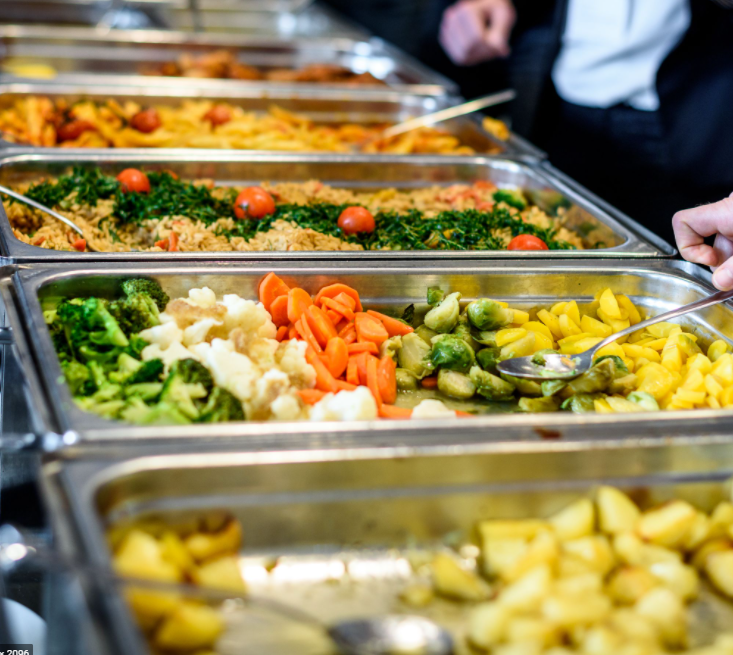
If operating self-service counters, then you must provide separate utensils for allergen-free foods. These could be colour coded or labelled to ensure customers recognise when they can be used.
It's important to continually supervise self-service counters to prevent cross contamination by customers. Aim to keep allergen free foods covered and separated from allergenic foods, regularly clean and replace the designated utensils, and display the food in a way that prevents any other food from falling into and contaminating it.
In addition to the 14 named food allergens, remember that any food has the potential to trigger an allergic reaction, which is why it's so important to know exactly which ingredients make up the food products that you sell or serve.
If a customer asks you whether a dish or food product contains a certain ingredient, then you must answer them accurately and knowledgeably. Never guess.
If you are unsure, you could consult the recipe information resource, look for any retained product packaging or consult the chef/concerned person to find out more. Remember to check the ingredients in the dish as well as any cooking or processing aids, including dressings and garnishes.
Furthermore, if a customer requests a dish to be made without a specific allergen, then you must take the request seriously. Sometimes you won't be able to honour their demand and you must inform the customer of this, such as if the dish comes ready-made, but you must never dismiss the request as trivial.