Cereals containing gluten
Cereals containing gluten, namely: wheat (such as spelt and khorasan wheat), rye, barley, oats or their hybridised strains, and products thereof, except:
(a) wheat based glucose syrups including dextrose
(b) wheat based maltodextrins
(c) glucose syrups based on barley
(d) cereals used for making alcoholic distillates including ethyl alcohol of agricultural origin
Coeliac disease is triggered by the gluten fraction of wheat or by the gluten-like proteins found in other closely related cereals such as rye, barley. Some sensitive individuals may also react to oats. The gut reacts to the gluten and becomes smooth, loosing its ability to absorb nutrients; symptoms including diarrhoea as well as deficiencies in nutrients like vitamins. It can manifest itself in childhood, affecting children's growth and development, or in adult hood. As there is no cure individuals with coeliac disease have to avoid eating gluten for life. However, coeliac disease does not cause the potentially fatal reaction of anaphylaxis if gluten is accidentally eaten.
Cereals containing gluten, (i.e. wheat, rye, barley, oats, spelt or their hybridized strains) have been included in Annex IIIa of the food labelling directive along with derived products. Temporary exceptions to the labelling rule (derogations) have been granted for wheat based glucose syrups including dextrose, wheat based maltodextrins, glucose syrups based on barley and cereals used in distillates for spirits.
Symptoms
Wheat allergy often leads to symptoms of the skin (atopic dermatitis or eczema and urticaria or nettle rash). It can also cause swelling of skin, lips or throat (angioedema), symptoms of the stomach/gut (diarrhoea, nausea, abdominal pain and vomiting), runny or stuffed nose and asthma, and in severe cases anaphylactic shock.
Exercise-induced wheat allergy (WDEIA) occurs within minutes to hours after ingestion of wheat. The duration of exercise needed to spark off a reaction is between 10 and 60 minutes. The symptoms typically range from nettle rash (urticaria) and swelling of the skin (angioedema) to shortness of breath (dyspnea), drop in blood pressure, collapse and shock.
Occupational allergy to wheat flour in bakers is usually limited to asthma.
Cross-reactions
Wheat is related to other cereal grains like barley, rye, corn (maize) and rice. Very little is known about the risk that these related cereals cause allergy in patients with wheat allergy. Corn and rice are usually well-tolerated by wheat-allergic patients. Barley, however, has been reported to cause symptoms. Similar proteins are present in all cereals. Theoretically wheat allergic patients might react to several of these related proteins. Such reactions based on similarity are called cross-reactions. For cereals this problem of multiple sensitivities appears to be of limited importance.
Wheat in foods
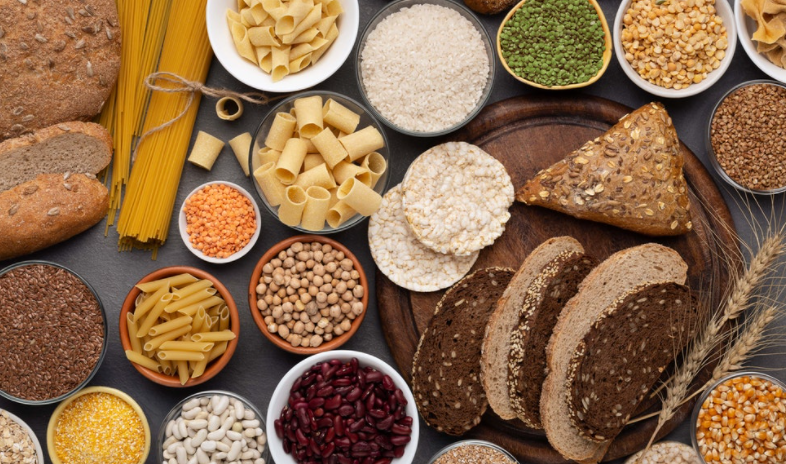
Common wheat is used for preparing soft wheat flour products such as bread, biscuits, crackers, cookies, cakes, pastry, thickening agents, and breakfast cereals; it is also used for the production of alcoholic beverages such as beer and whiskey, and for industrial alcohol; bran from flour milling is used for livestock feed. Durum wheat is used principally for the production of pasta. Italian legislation does not allow the use of other wheat species for the making of pasta.
Wheat is also present in products where it is less obvious like battered foods, bouillon cubes and soups, corn starch, breaded meats and vegetables, coffee substitutes, surimi, couscous, gravy, hot dogs, ice cream, processed meats, milk shakes, seasonings and spices like pepper, liquorice, chewing gum, candies, chocolate bars, salad dressings, soy sauce, ketchup, mustard and other sauces.
Non-food products
Hair cosmetic and hygiene products as well as pharmaceutical products like medications and vitamins may contain wheat. In some cases corn starch is an ingredient which in its turn contains wheat. Pet foods can also contain wheat.
Avoidance
For the treatment of food allergy, at present avoidance is the only solution. Since wheat is used in many common food products also as an "invisible" ingredient, avoidance is difficult. Indications on food labels that point towards (possible) use of wheat as an ingredient include bulgur, bran, couscous, farina, gluten, kamut, MSG (monosodium glutamate), protein, semolina, and spelt.